
Montenegro: Milo Djukanović Election Defeat from the Perspective of Nikšič & Danilovgrad
19 April 2024, in retrospect
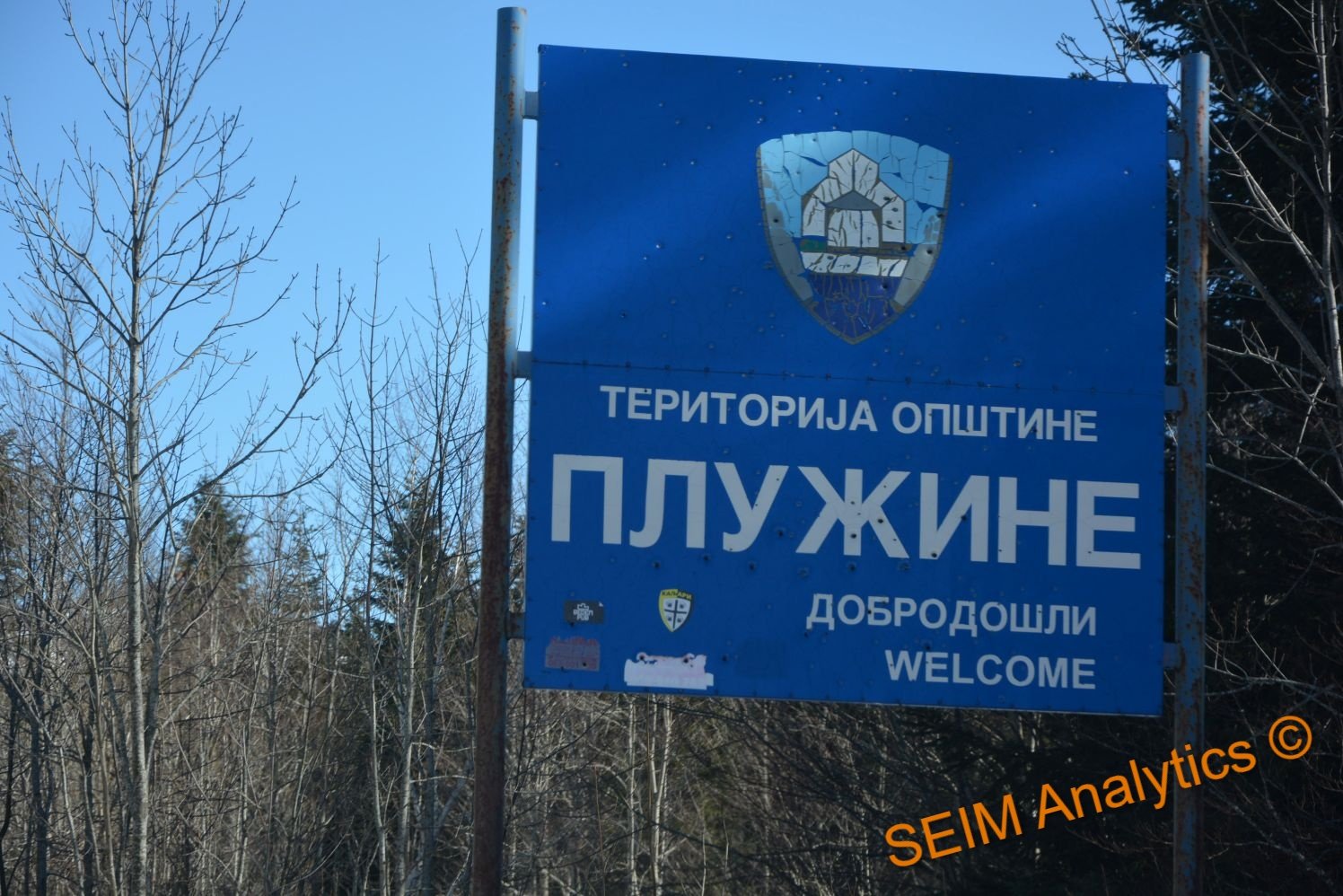
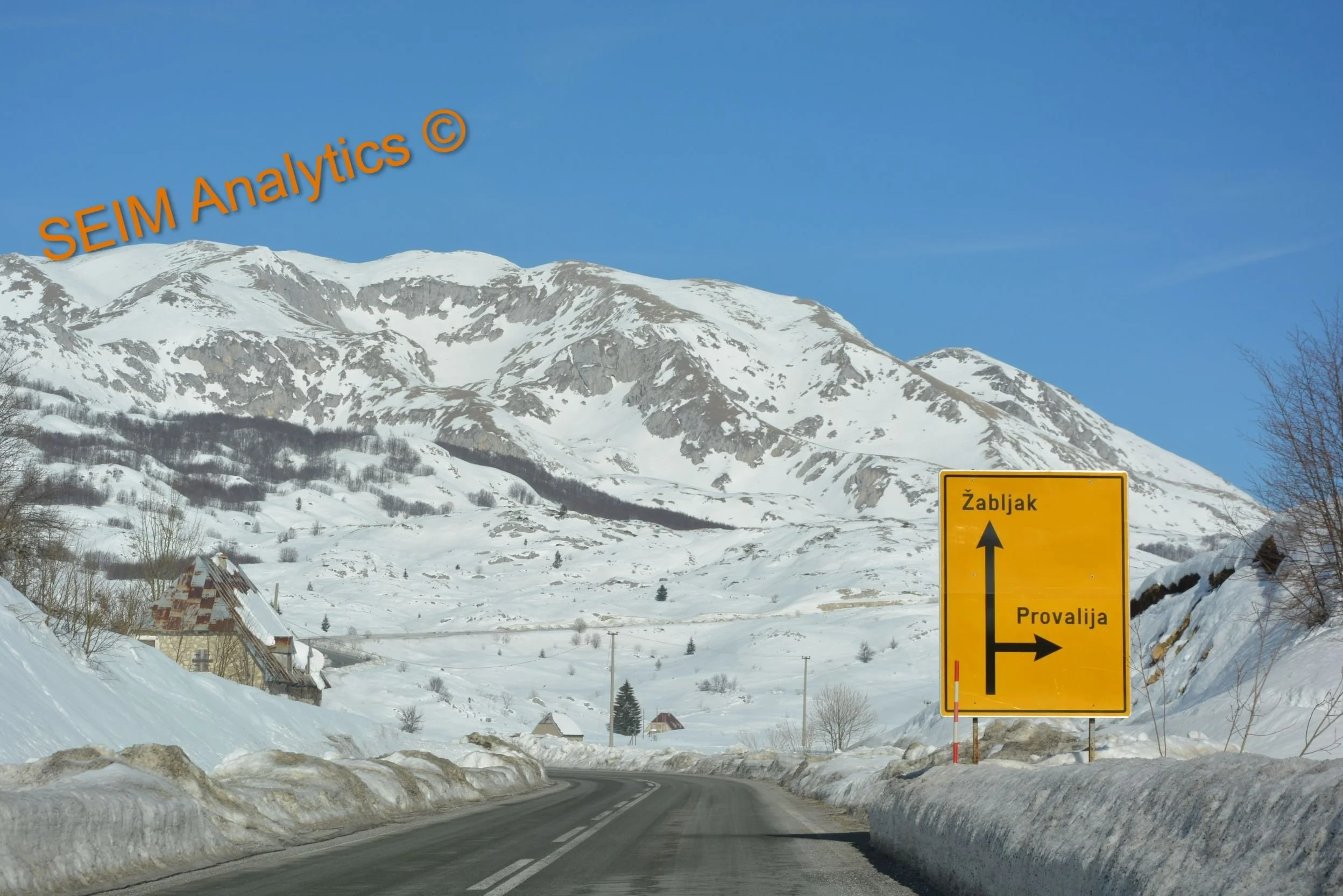
From early February to early April 2023, Seim participated in the observation mission of the OSCE/ODIHR for the presidential elections of Montenegro. Seconded from Norway to the OSCE/ODIHR through the NORCAP expert roster, Seim was meeting election stakeholders and observing in Nikšić, Montenegro’s second biggest city, as well as in Danilovgrad and Plužine municipality. Seim was organizing a dozen teams of short-term OSCE/ODIHR observers for the OSCE statistical analysis of the first round.
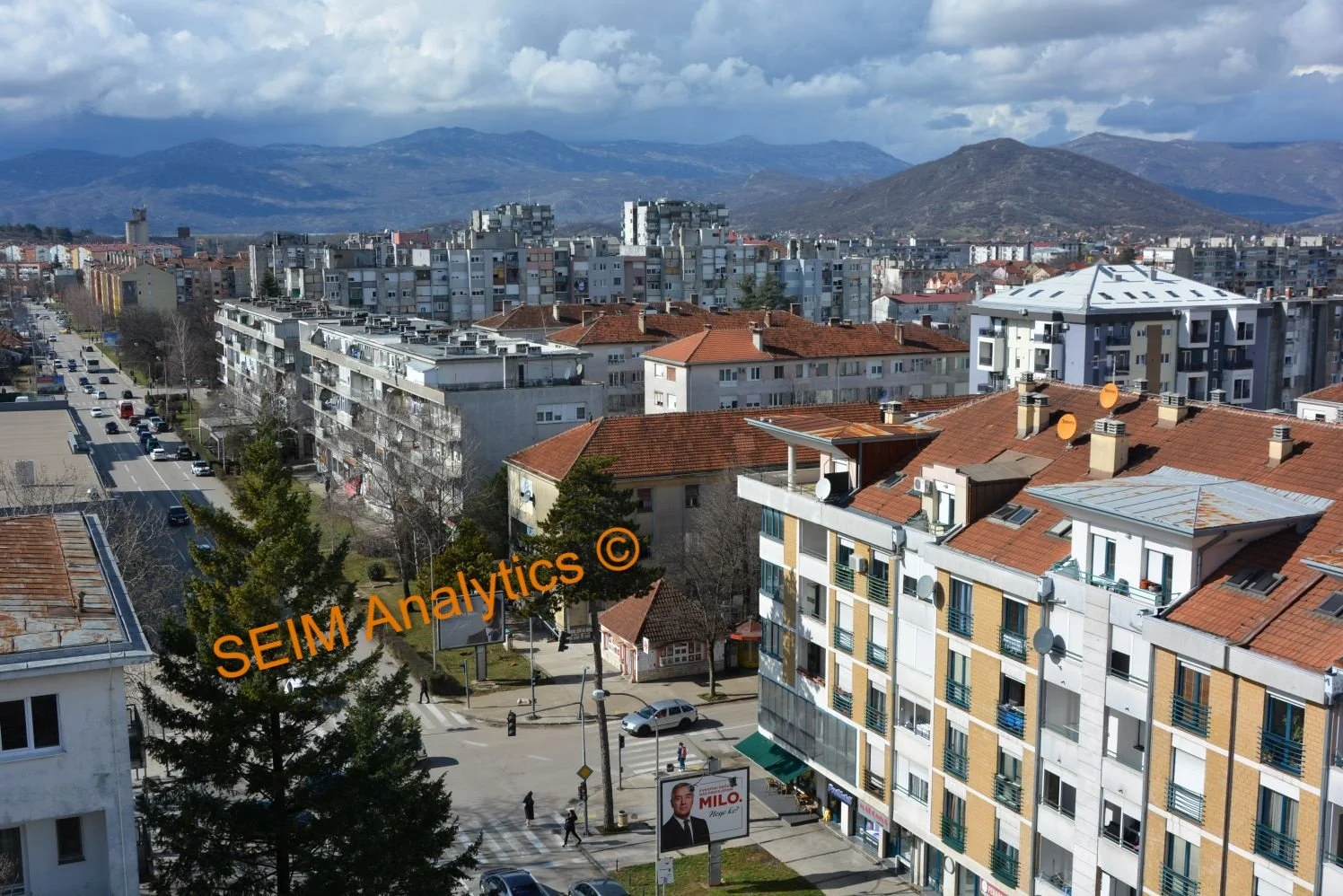
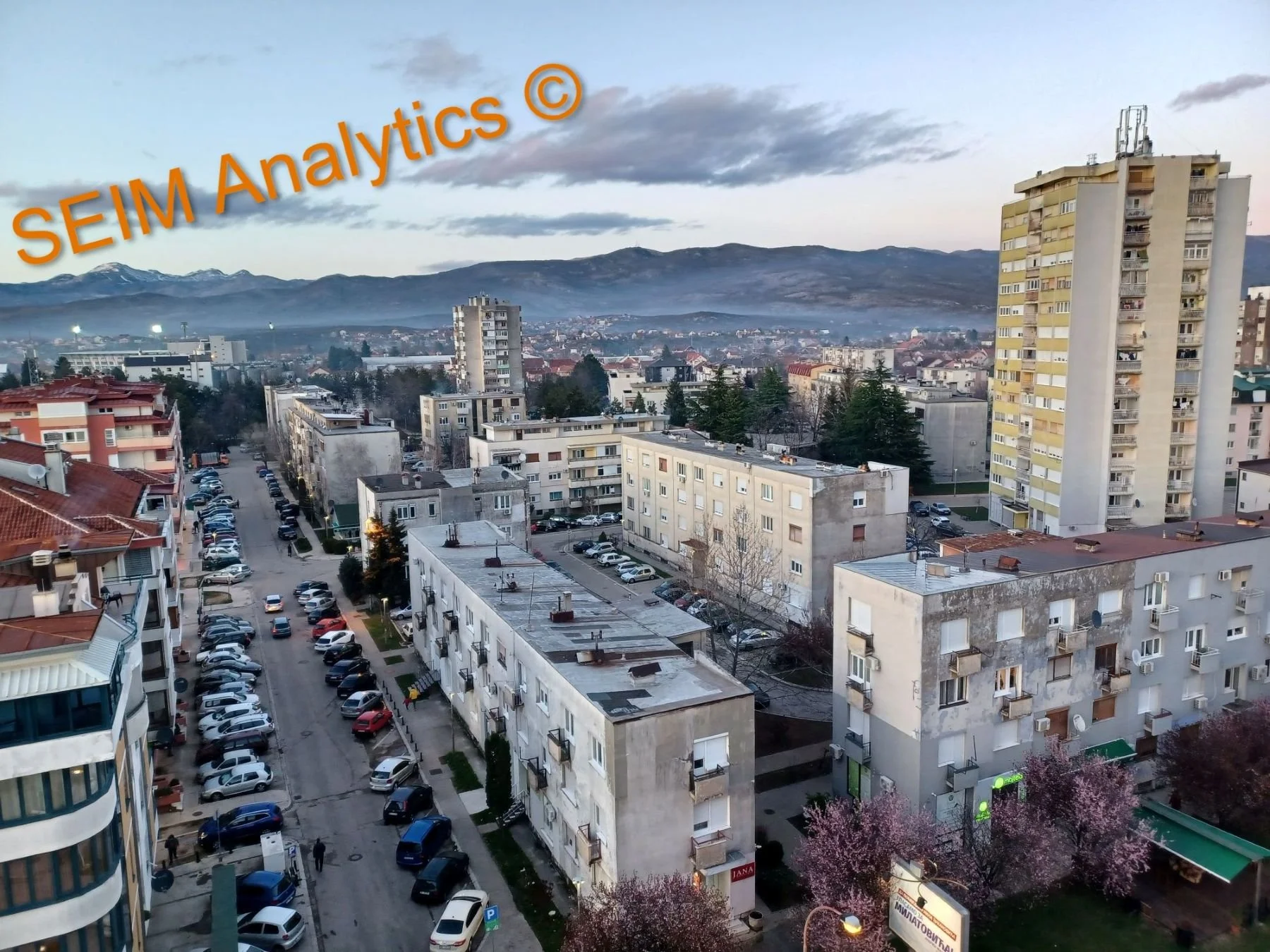
Nikšić is birthplace of ex-president, Milo Đukanović and it was always a tightly contested constituency. Its internal identity issues and political contests reflect those of Montenegro as a whole. Although harbouring a competitive political scene, Nikšić’s manufactory industry is struggling, and Nikšić’s steel factory has closed. The city has faced severe socio-economic challenges in the last decades.
Disclaimer: The reflections in this blog post of the political analyst and historian Dr. Seim do not reflect any official OSCE/ODIHR position. They are exclusively found in the linked-to OSCE reports.
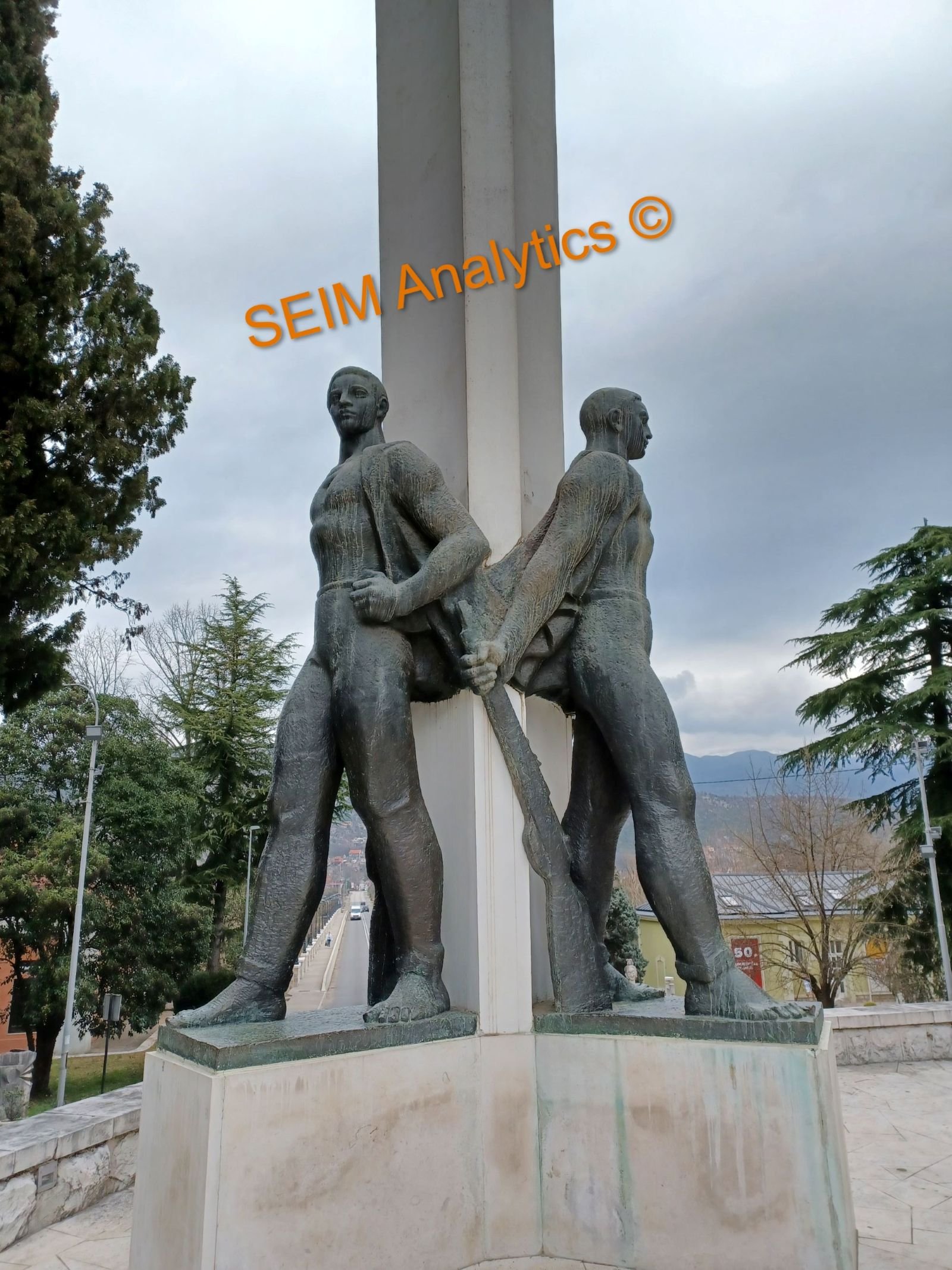
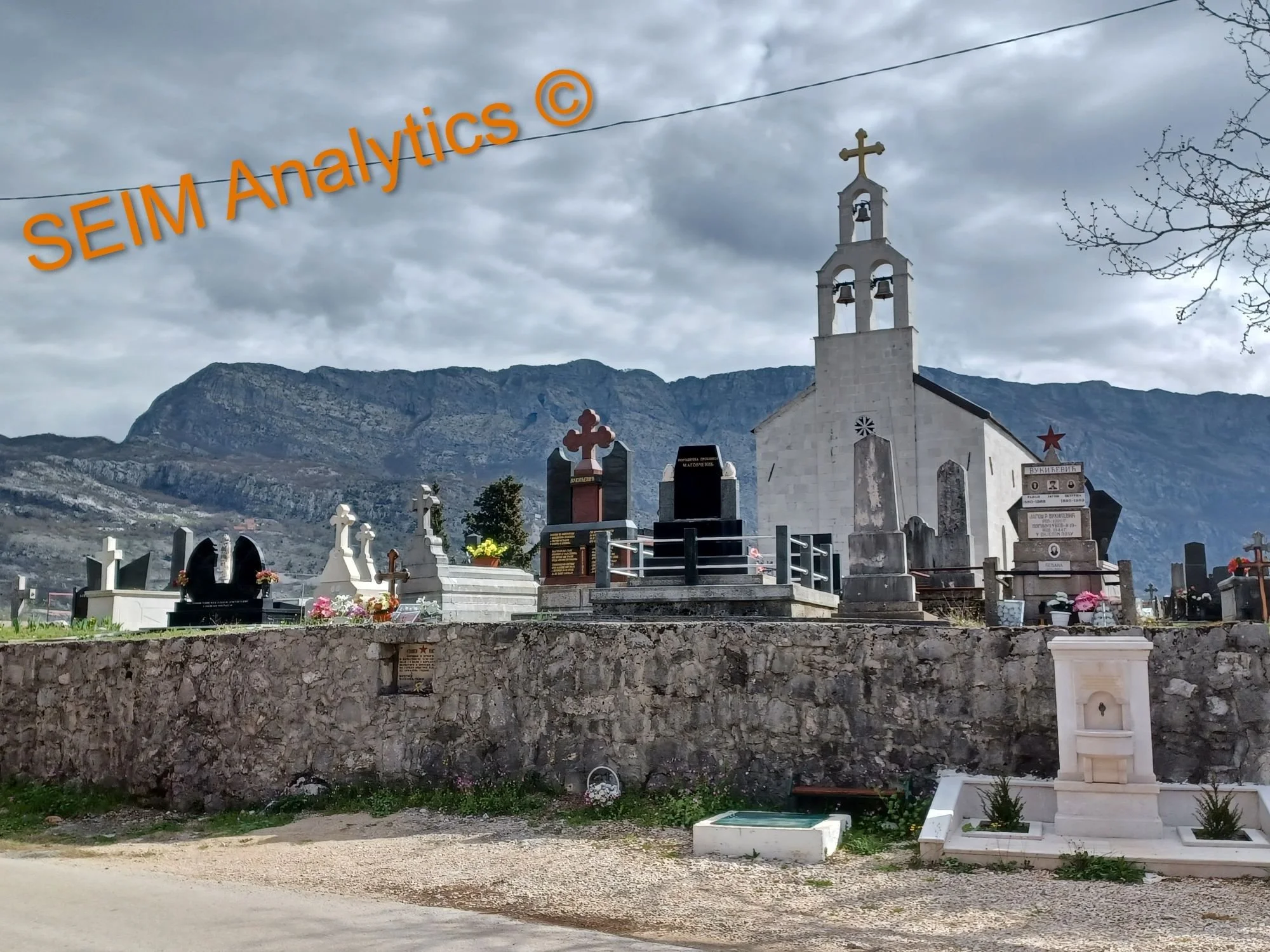
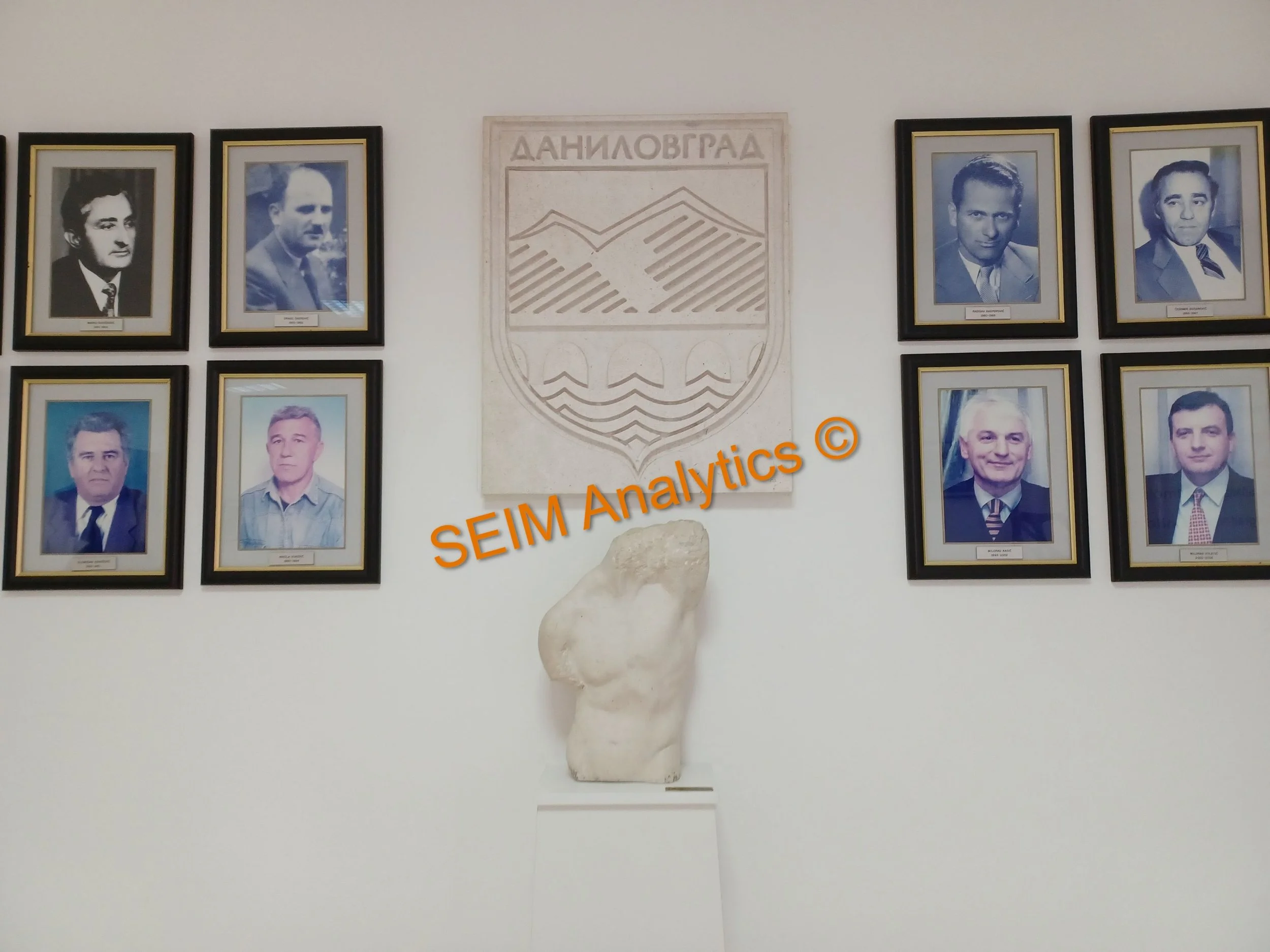
(Photo: World War II Partisan monument in Danilovgrad from 1959)
The end of a historical era!
Milo Đukanović came to power in 1991 but distanced himself from Slobodan Milošević and the federal government in 1996. He also abandoned the traditional joint Serbian and Montenegrin vision to support Montenegrin nationalism and a separate Montenegrin national identity. He gave his support for an independent Montenegro (as achieved after the referendum in 2006), and in 2017 he pushed Montenegro into NATO. Some observers have described Đukanović's rule as increasingly authoritarian, and claimed that corruption, tobacco smuggling, and clientelist networks was turning his rule into a kleptocracy with increasing state capture and personal power abuse. Several corruption scandals of the ruling party and the Law on Religion in 2019 triggered massive anti-government protests that led to his party (DPS) losing the 2020 parliamentary elections for the first time in three decades, and with an opposition government being formed.
Đukanović served as prime minister or president almost without breaks for almost 33 years. Thereby, he became the longest-sitting contemporary ruler in Europe by the time of his defeat to Jakov Milatović in the presidential election on 2 April 2023.
The two rounds in the election went peaceful, so Montenegro passed an important democracy test. It thus continues its political transition that started with the change of government after the August 2020 parliamentary election.
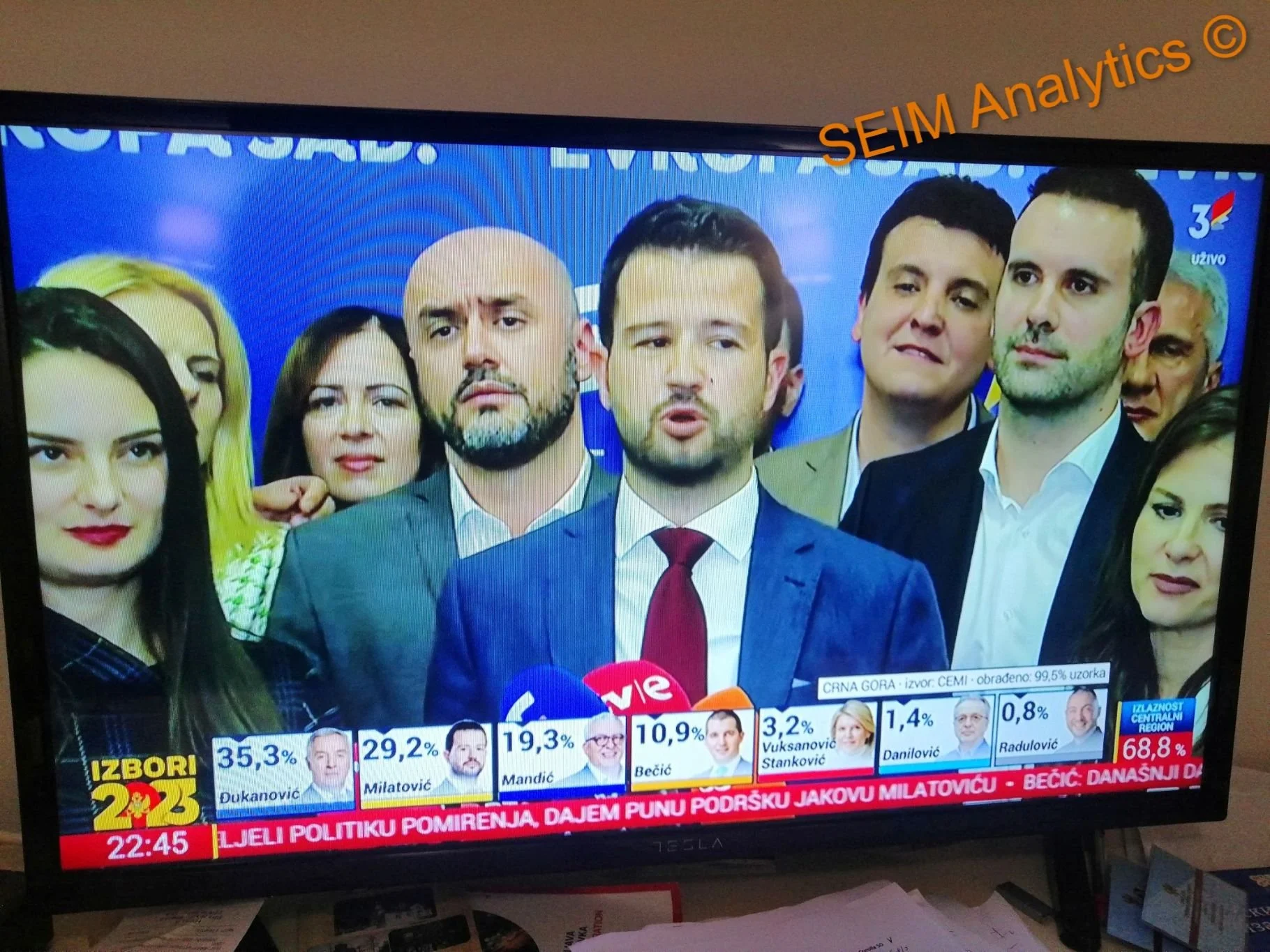
The presidential election had a competitive field of candidates who faced the incumbent president Milo Đukanović in the first round on 19 March. Milo Đukanović won 35.4 %, Jakov Milatović achieved 28.9 %, Andrija Mandić 18.9 %, and Aleksa Bečić 11.1 %. The latter two candidates gave Milatović their strong endorsements and full support for the second round. This led to Jakov Milatović on 2 April winning 58.88 % of the vote against Milo Đukanović’s 41.12 %.
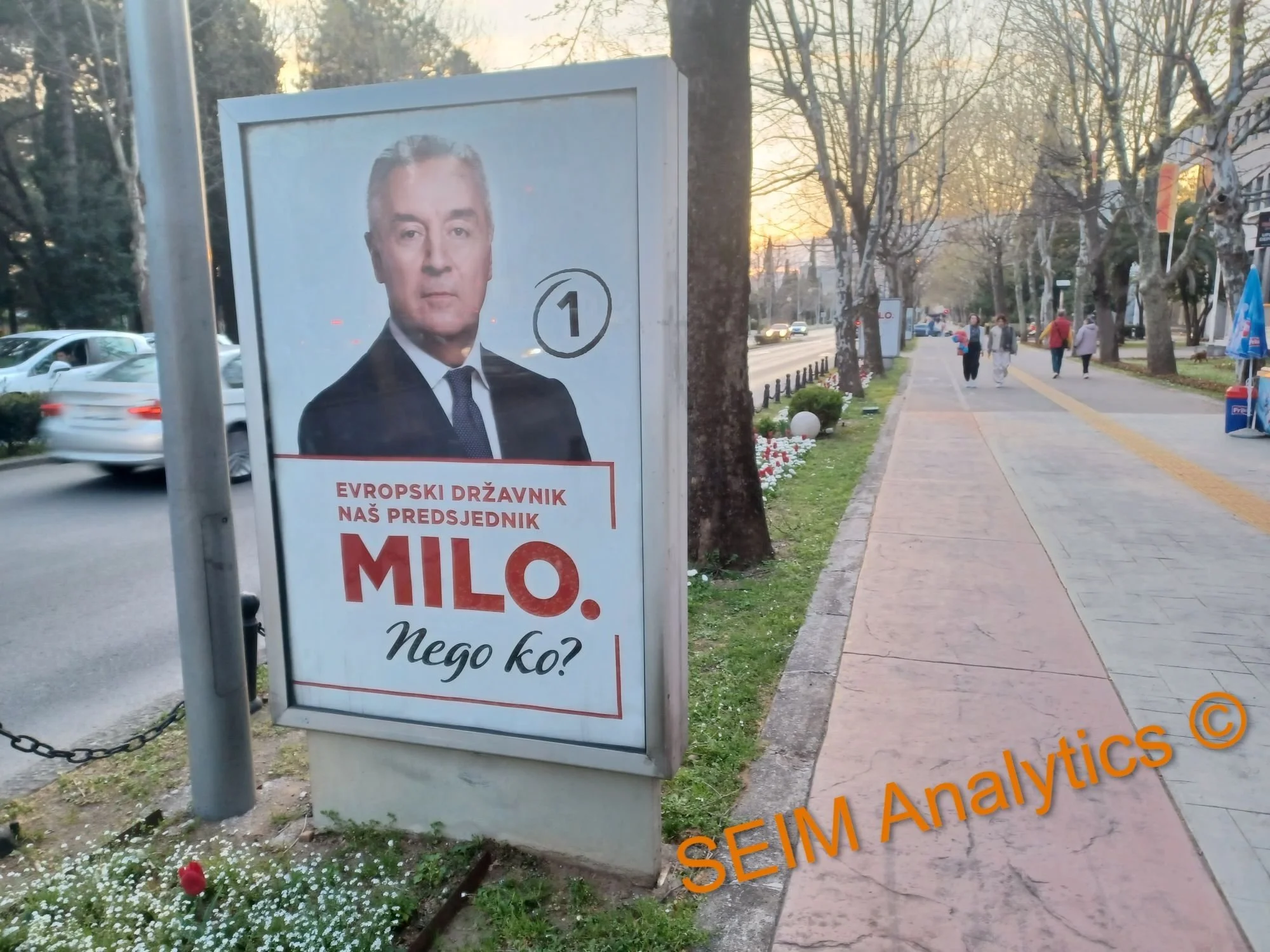
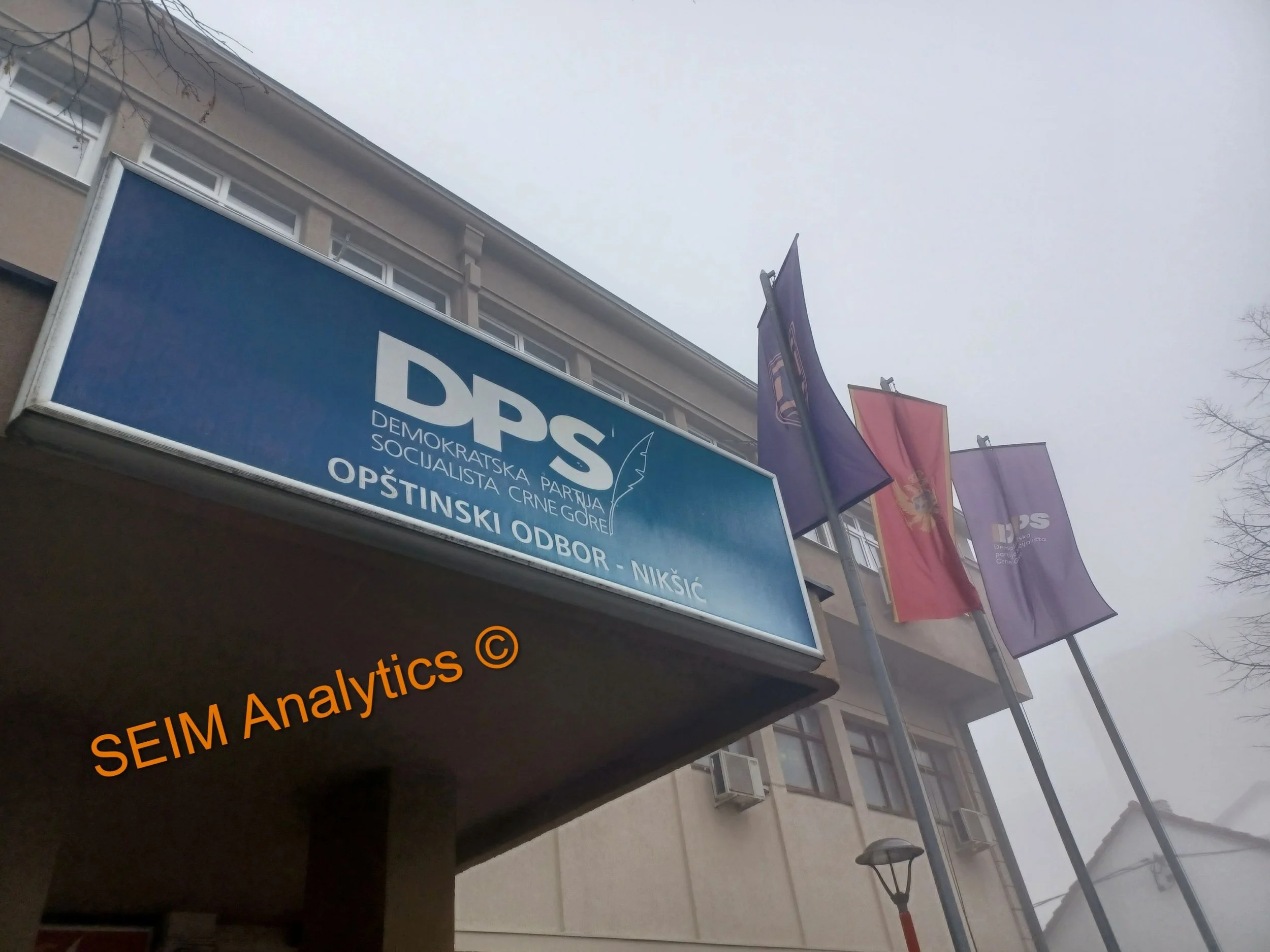
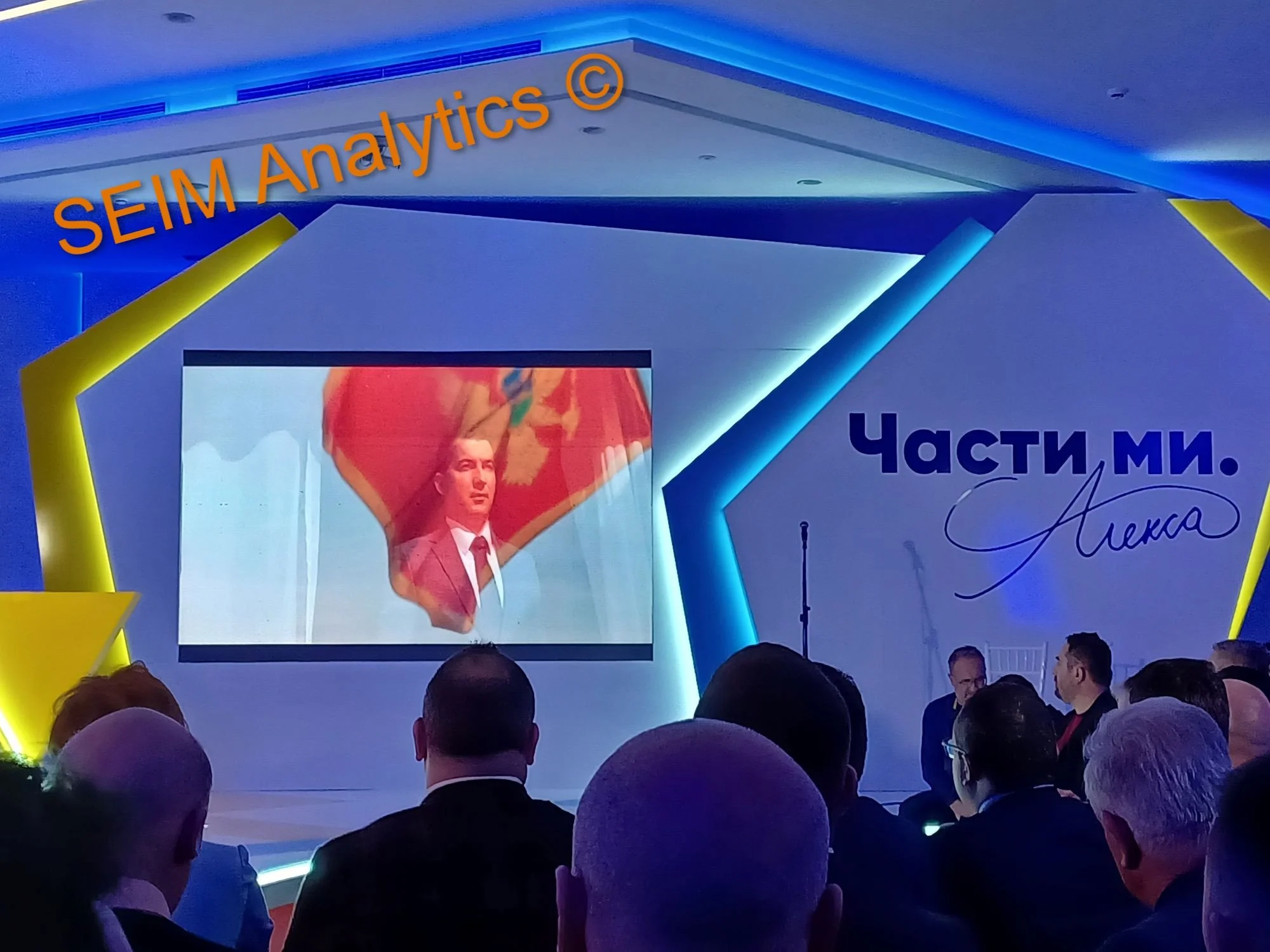



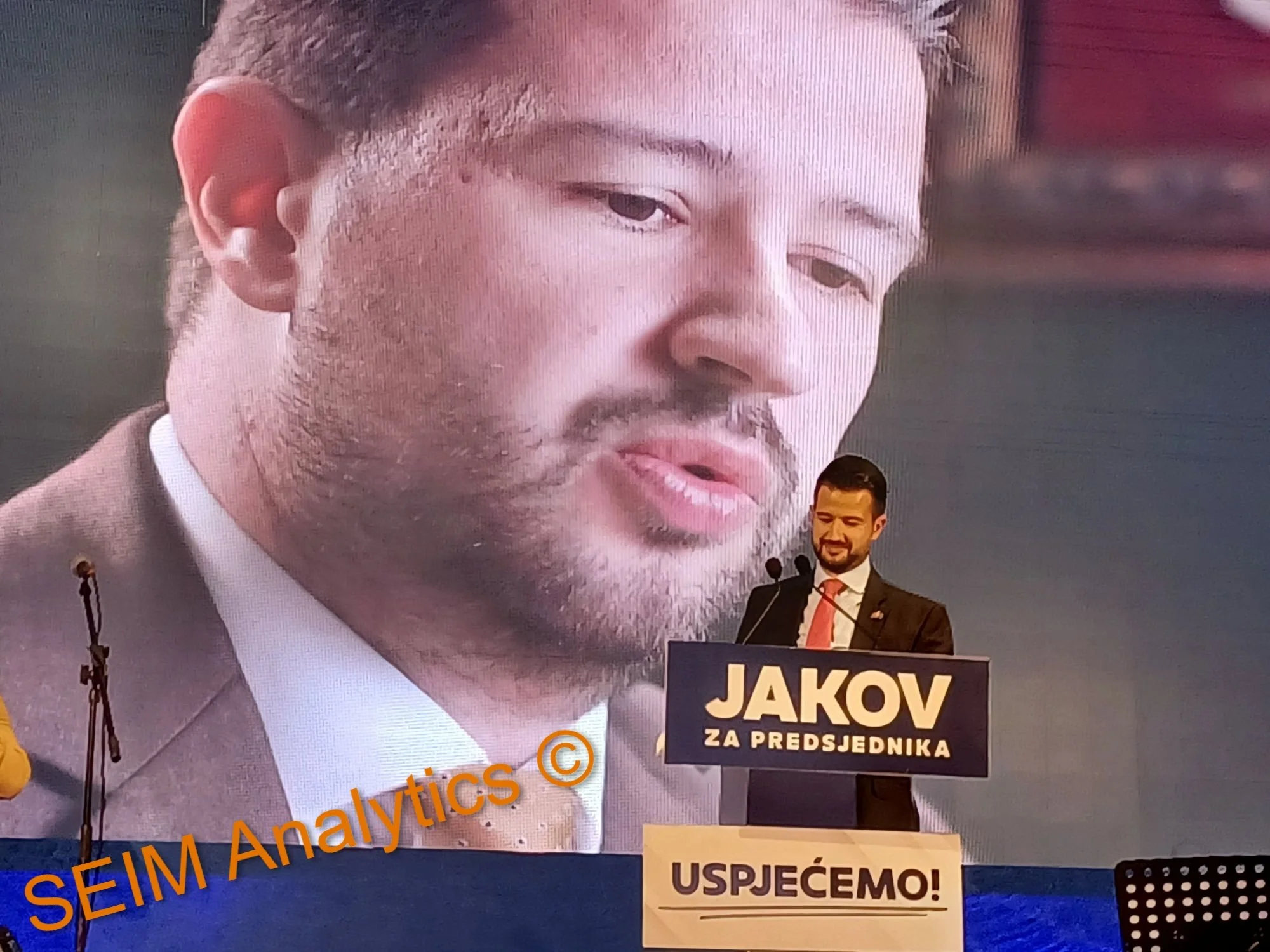
SEIM Analytics regards the 2023 elections as a clear improvement since the 2018 presidential elections. However, having experienced political stalemates the last years, the majority of previous ODIHR recommendations have not been followed up in Montenegro. Still, after the parliamentary election in 2020 that led to the victory of the opposition bloc, political culture has changed to the better with freedom of expression reinstated. Also, national minority rights and freedom of religion has been defended following Đukanović’s ill-fated attack on the Serbian Orthodox Church in 2020 which strongly contributed to his political downfall. The change of government opened for parliamentary checks and balances, and criminal proceedings against high-level Đukanović-associates were initiated. The opposition victories in the local elections in 2021 and 2022 spurred measures against endemic issues of cronyism and corruption in the public sector. Yet, the 2023 presidential election process was impacted by the need for appointment of the 7th member to unblock the constitutional court. Also, the preparations for the (disputed) parliamentary elections on 11 June 2023 were impacted.
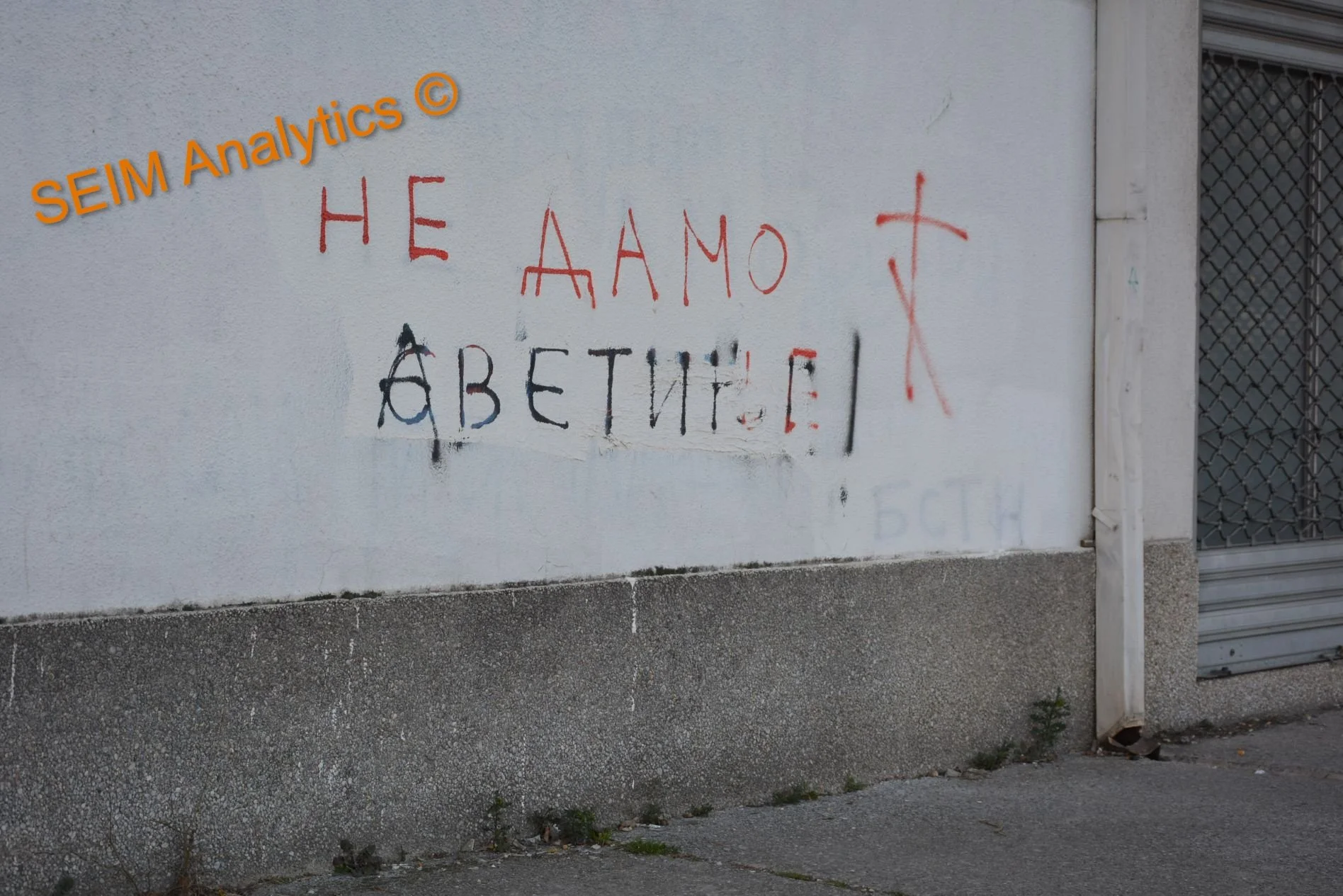
Politically, after more than three decades of DPS/Đukanović rule that developed into a political model of cronyism, further democratization in Montenegro with harmonization of the legal framework and reform of the justice sector is awaiting. As some 80 percent of citizens support Montenegro's entry into the EU, their democratically elected representatives must now work urgently on the European agenda. Yet, a new approach is also needed towards Montenegro among Western cooperation partners, who too long ignored misdoings and helped preserve Đukanović. His political model was not unifying, it limited Montenegro’s development, and created internal social and national tensions.
Regionally, Milatović’s results were impressive in Plužine with 87,5 %, a mountainous and sparsely inhabited municipality that always have voted against Đukanović and where parties emphasizing the Serbian identity of Montenegro are strong. In the medium-sized town of Danilovgrad, Milatović also won convincingly with 67,5 %. It is a politically important municipality, and Milatović started both his election campaigns there. In Nikšić the race was tighter but 61,8 % for Milatović was convincing in Đukanović’s hometown. This area of Montenegro saw a better turn-out (Plužine 81 %, Danilovgrad 79.6 %, and Nikšić: 78.15 %) compared to the national average of 70.14 %.


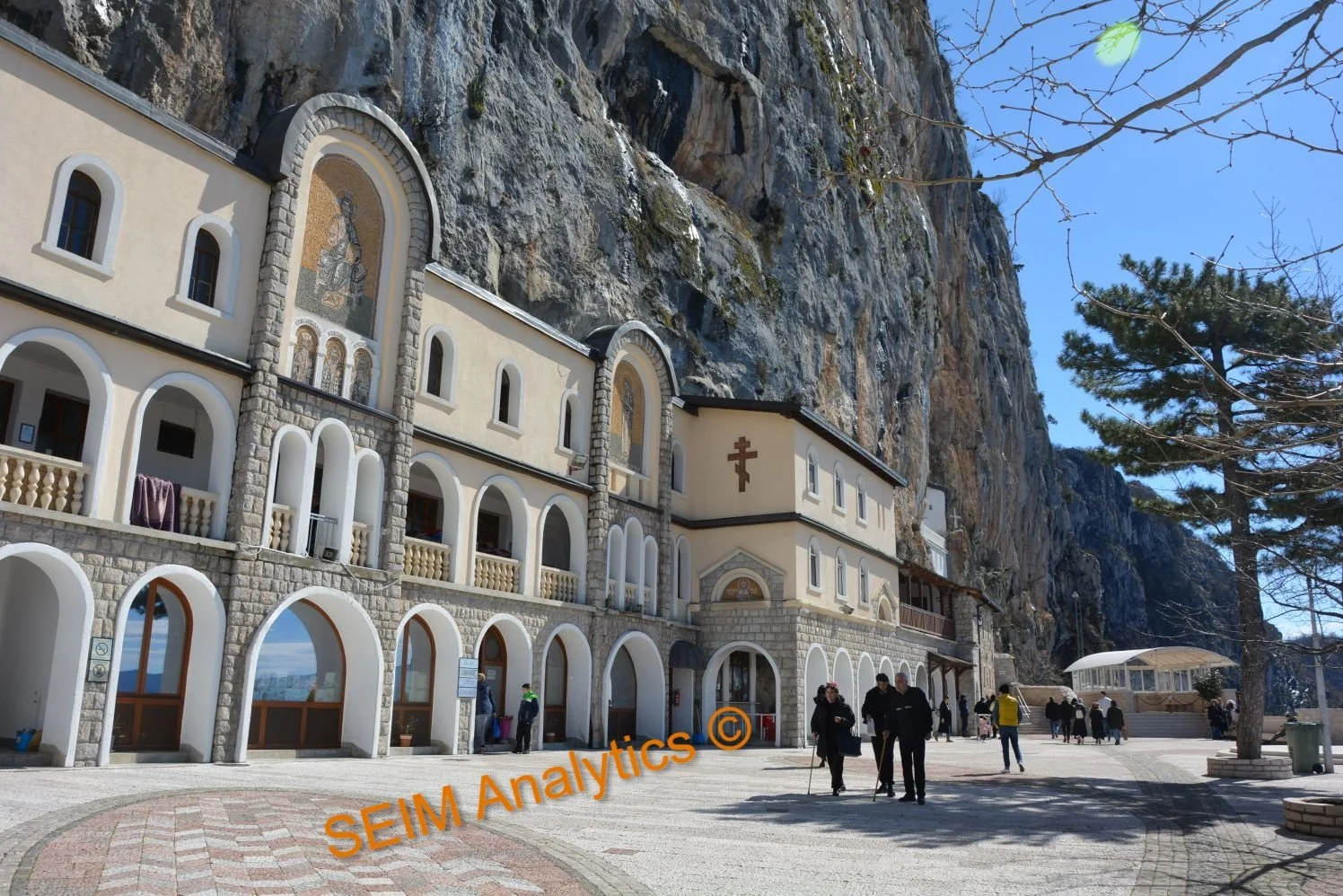
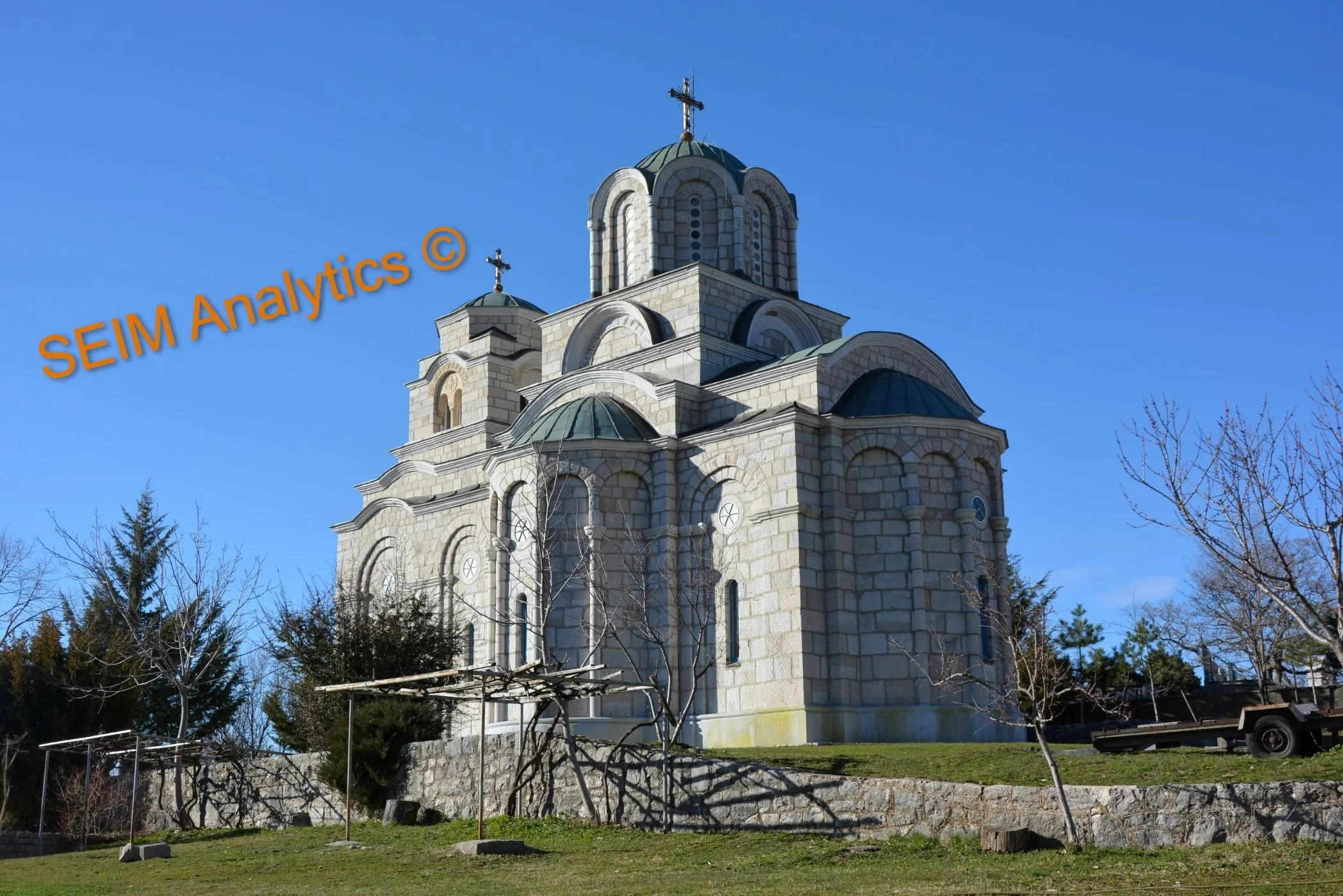
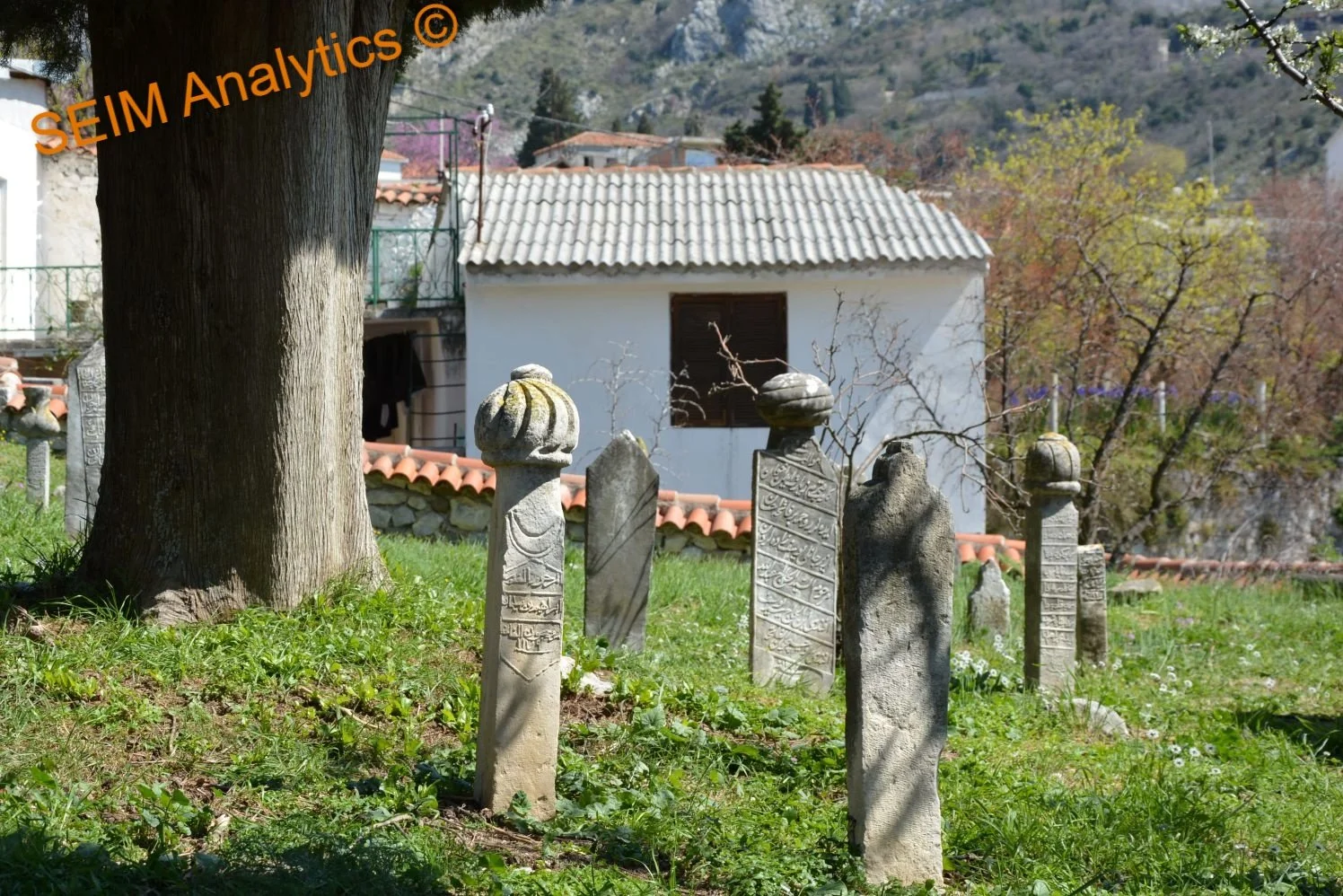

For an assessment of the election from a more technical perspective, like the functioning of the election commissions, the election campaign, voter education, women participation, legal issues and discrepancies, trust in the voter lists, etc., contact SEIM Analytics for a consultation. Yet, one assessment can be shared and that is, that the state election committee (SEC) was seen by many stakeholders as politized, especially in the case of the disqualification of the candidacy of Milenko Spahić from Europe Now, a decision that led Jakov Milatović to be front-runner. The processes in the SEC that led to this SEC-decision seemed arbitrary (compared to other candidates that were not scrutinized), something also the OSCE/ODIHR report concluded. This likely influenced the final outcome of the elections.
Information about the OSCE/ODIHR mission, published reports, and collaborate findings can be found here: Presidential Election, 19 March and 2 April 2023 | OSCE
Go to SEIM-Analytics/photo-sale for photos from Montenegro’s coastal, inland, and mountainous areas.
See Seim-analytics/election-expert for further information about election observation assignments in Southeast Europe, Eastern Europe, Caucasus, Central Asia, and South Asia.
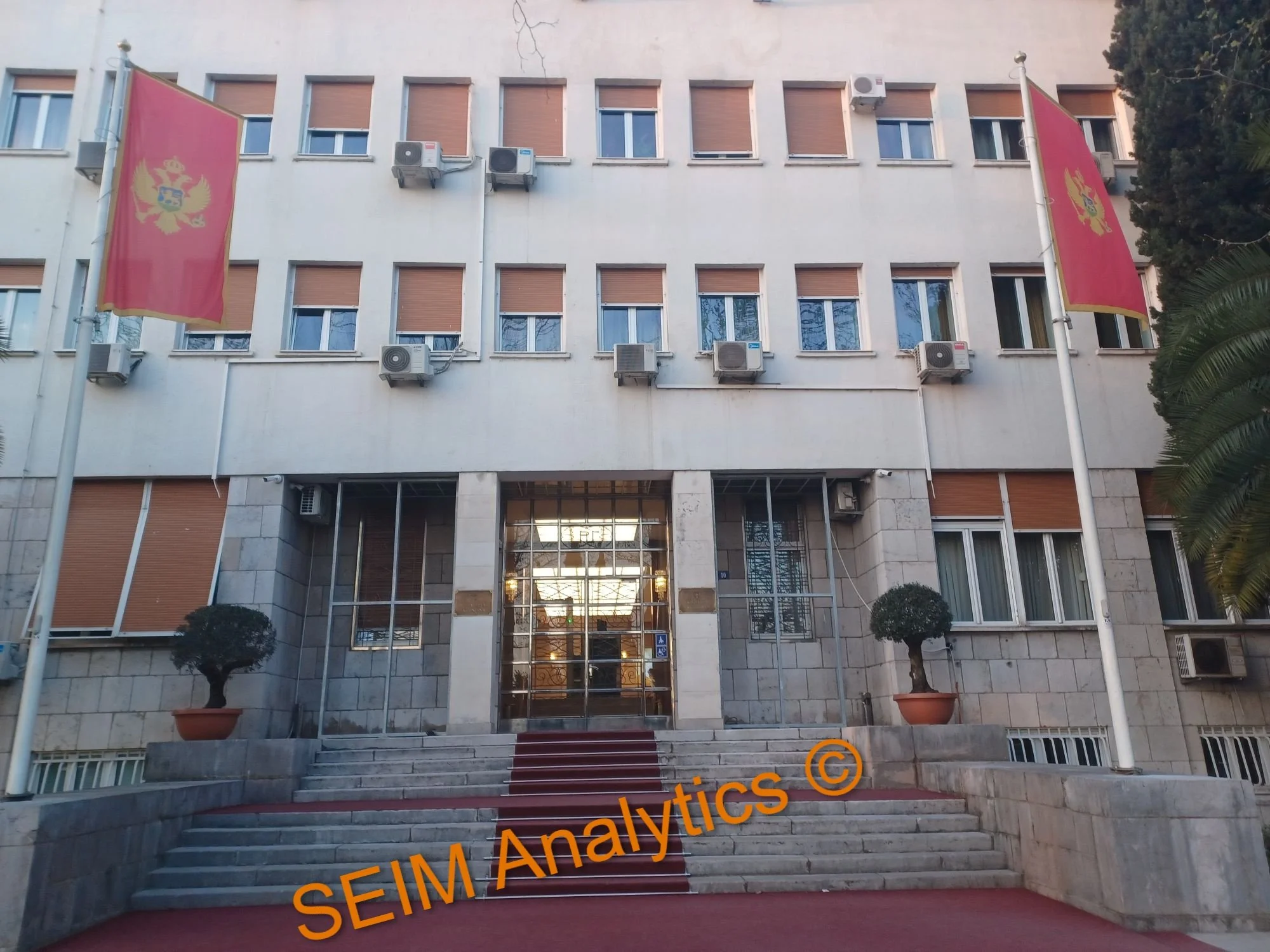
The parliament of Montenegro, Podgorica. Montenegro saw parliamentary elections shortly afterwards